

As outdoor living spaces become extensions of indoor comfort, the outdoor sofa has evolved into one of the most important product categories in the global outdoor furniture industry. From residential patios to luxury resorts and rooftop lounges, outdoor sofas define how people relax, entertain, and socialize in exterior environments.
In markets such as the United States, Canada, the UK, Germany, and Australia, consumers and commercial buyers are no longer satisfied with basic patio seating. They demand outdoor sofas that combine comfort, weather resistance, structural durability, and modern design.
For importers, wholesalers, project contractors, hospitality groups, and furniture brands, selecting the right outdoor sofa supplier is critical. This guide will help you understand outdoor sofa types, materials, construction standards, sourcing considerations, and global trends in 2025.
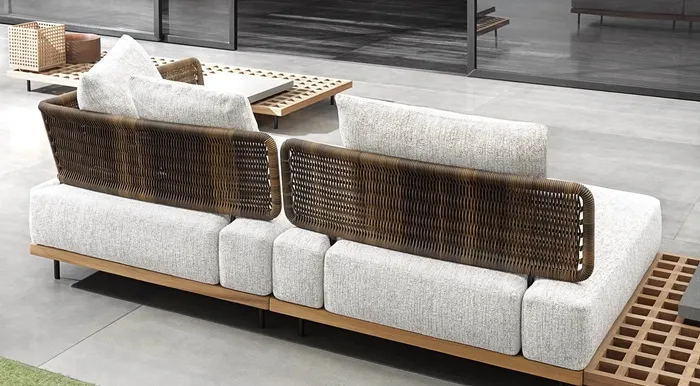
1. What Is an Outdoor Sofa?
An outdoor sofa is a seating system specifically engineered for exterior use. Unlike indoor sofas, outdoor sofas are built to withstand:
UV radiation and direct sunlight
Rain, humidity, and moisture exposure
Temperature changes
Frequent commercial use
Dust, wind, and environmental wear
A high-quality outdoor sofa must maintain its structural integrity and visual appeal across multiple seasons without excessive maintenance.
Outdoor sofas are commonly used in:
Residential patios and gardens
Poolside relaxation areas
Rooftop terraces
Hotels and resorts
Restaurants and cafés
Commercial real estate projects
2. Main Types of Outdoor Sofas
Understanding product categories helps buyers select the most suitable solutions.
2.1 Standard 2-Seater and 3-Seater Outdoor Sofas
These are classic outdoor sofa models used in residential settings and small hospitality spaces.
Features often include:
Powder-coated aluminum frames
Weather-resistant cushions
Removable fabric covers
Deep seating design
They are ideal for patios, balconies, and small garden areas.
2.2 Modular Outdoor Sofas
Modular outdoor sofas are one of the fastest-growing segments in the outdoor furniture market.
A modular system typically includes:
Corner units
Middle armless units
Ottoman modules
Coffee tables
Advantages of modular outdoor sofas:
Flexible layout configurations
Easier container loading for export
Replaceable individual units
Suitable for large commercial projects
For B2B buyers, modular systems provide scalability and customization flexibility.
2.3 Outdoor Sectional Sofas
Sectional outdoor sofas are designed for larger spaces and social settings.
They create:
L-shaped seating
U-shaped lounge areas
Conversation-focused layouts
Sectional sofas are popular in American suburban homes and resort environments where space allows for expansive arrangements.
2.4 Outdoor Daybed Sofas
Outdoor daybeds combine lounging and seating functions. They are commonly seen in:
Beach resorts
Luxury villas
Spa centers
High-end hospitality projects
These products often include canopy options and thicker cushions for enhanced comfort.
3. Materials Used in Outdoor Sofas
Material selection determines durability, price positioning, and maintenance requirements.
3.1 Aluminum Frame Outdoor Sofas
Aluminum is one of the most preferred materials in international markets.
Key advantages:
Rust-resistant
Lightweight but strong
Easy to transport
Minimal maintenance
Suitable for humid or coastal environments
Powder coating improves corrosion resistance and extends product lifespan.
3.2 PE Rattan Outdoor Sofas
Synthetic wicker (PE rattan) offers a natural woven appearance.
Benefits include:
UV stability
Weather resistance
Flexible and modern design
Strong visual appeal for Western markets
PE rattan outdoor sofas are widely accepted in Europe and North America.
3.3 Wooden Outdoor Sofas
Teak and acacia are common choices.
Pros:
Premium appearance
Natural aesthetic
Strong load-bearing structure
Cons:
Requires regular maintenance
Higher material cost
Wooden outdoor sofas are typically positioned in mid-to-high-end product lines.
3.4 Rope and Textilene Outdoor Sofas
Modern designs increasingly use rope weaving or textilene materials.
These materials offer:
Breathability
Contemporary aesthetics
Durability under sun exposure
Lightweight structure
They are especially popular in Scandinavian-inspired outdoor collections.
4. Cushion and Fabric Considerations
Cushion quality significantly impacts user satisfaction.
Important factors include:
4.1 Foam Density
High-density foam ensures:
Long-term shape retention
Comfort for extended seating
Better performance in commercial settings
4.2 Outdoor Fabric Performance
Outdoor sofa cushions should use:
UV-resistant fabrics
Water-repellent materials
Fade-resistant textile
Removable and washable covers
In Western markets, fabric durability is a key purchase factor.
5. Outdoor Sofa Applications by Market Segment
5.1 Residential Buyers
Homeowners typically prioritize:
Comfort and style
Color matching with home design
Affordable pricing
Easy maintenance
Deep seating and neutral colors perform well in the U.S. market.
5.2 Commercial Clients
Restaurants and cafés focus on:
Structural strength
Easy cleaning
Stackable or movable designs
Replacement consistency
Commercial outdoor sofas must withstand higher daily usage.
5.3 Hospitality and Resort Projects
Hotels require:
Premium design
Consistent bulk supply
Customization options
Durable frame materials
Hospitality-grade outdoor sofas often need reinforced welding and thicker cushions.
6. How to Evaluate Outdoor Sofa Quality
When sourcing outdoor sofas internationally, buyers should assess:
Frame welding quality
Surface treatment thickness
Cushion stitching and zipper quality
Load-bearing testing standards
Packaging protection
Professional suppliers conduct durability testing before export.
7. Outdoor Sofa Market Trends in 2025
7.1 Larger Seating Depth
Consumers prefer deeper seating for enhanced comfort.
7.2 Neutral and Earth-Tone Colors
Beige, grey, sand, and olive tones dominate Western outdoor design trends.
7.3 Modular Expansion Capability
Buyers increasingly prefer outdoor sofa systems that can grow with their space.
7.4 Sustainability and Eco-Conscious Materials
Recyclable aluminum and environmentally friendly fabrics are gaining importance.
8. Why Outdoor Sofas Offer Strong Business Potential
Outdoor sofas often provide:
Higher unit value than standard chairs
Better profit margins
Strong visual impact in showrooms
Repeat orders for matching collections
For importers and distributors, building a complete outdoor sofa collection increases brand competitiveness.
9. Choosing the Right Outdoor Sofa Manufacturer
Reliable manufacturers should provide:
Stable production capacity
Custom color and size options
OEM and ODM services
Export experience
Quality control systems
Consistency in quality and delivery is essential for long-term cooperation.
The global demand for high-quality outdoor sofas continues to grow as outdoor living becomes a central part of residential and commercial design. Whether for private patios, hospitality projects, or commercial venues, outdoor sofas must balance durability, comfort, and modern aesthetics.
For importers and project buyers, sourcing from experienced manufacturers who understand international market standards ensures long-term value and sustainable growth.
Investing in well-designed, commercial-grade outdoor sofas not only enhances outdoor spaces but also strengthens your competitive position in the global furniture market.